

For organizations to operate safely, OSHA (Occupational Safety and Health Administration) has established a series of procedures that must be followed to minimize operational risks and prevent accidents. To achieve this, it is essential that health and safety professionals clearly understand how to correctly complete records and the consequences of errors.
Proper management of occupational injury and illness records is one of the pillars of regulatory compliance in the United States. Errors or omissions in OSHA Logs (Forms 300, 300A, and 301) expose organizations to significant risks—ranging from stricter inspections to indirect financial impacts, such as increases in the EMR (Experience Modification Rate). This article provides a practical prevention guide in light of 29 CFR 1904 – Recordkeeping, in accordance with guidance from the Occupational Safety and Health Administration.
What Are OSHA Logs and Why They Matter
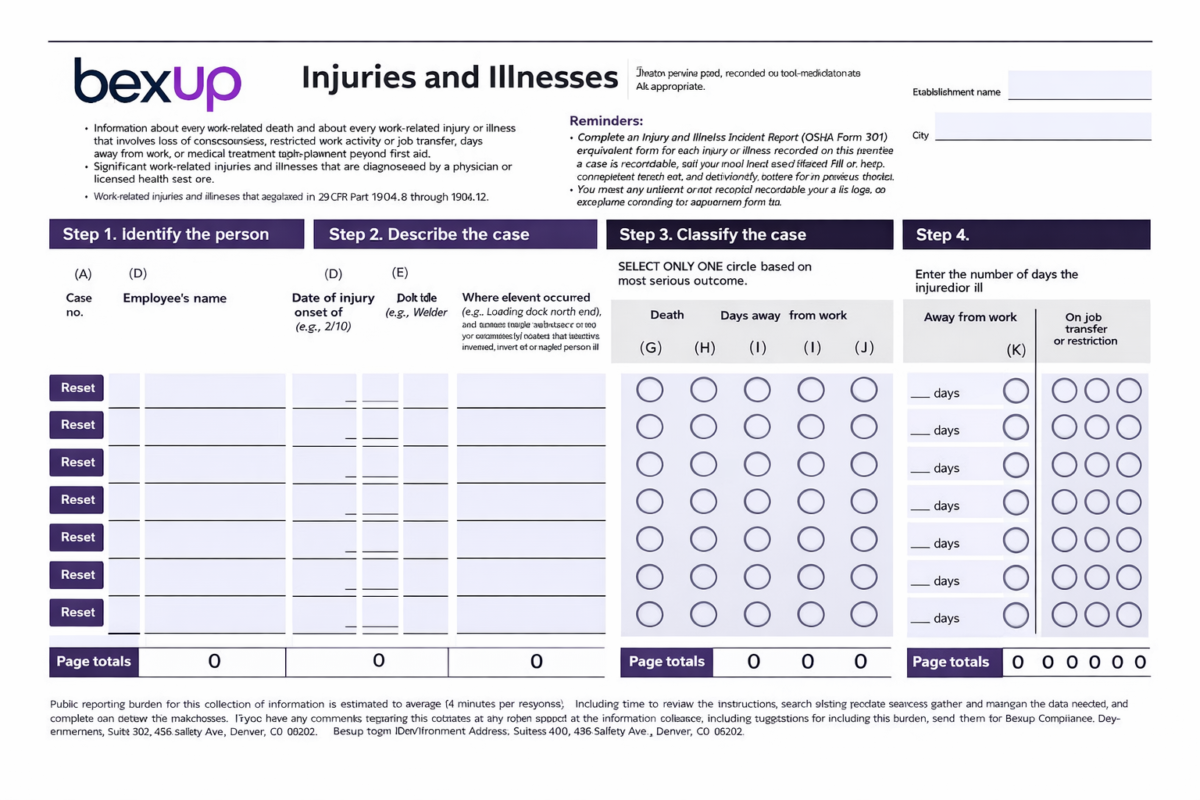
- OSHA Form 300: The ongoing log of recordable work-related injuries and illnesses.
- OSHA Form 300A: The annual summary (must be certified by an executive and posted at the workplace).
- OSHA Form 301: The detailed report of each incident.
These are not merely administrative documents. They are used by OSHA to prioritize inspections, by auditors to assess safety maturity, and by insurers to calculate the EMR, which directly influences a company’s Workers’ Compensation costs.
Common Risks: Where Companies Go Wrong
- Incorrect Case Classification: Confusing “first aid” with “medical treatment,” or failing to recognize recordable cases (days away, restricted work, job transfer).
- Underreporting or Omission: Failing to record contractor incidents when applicable or reporting beyond the legal deadline.
- Inconsistent Data Across 300, 300A, and 301: Discrepancies in dates, descriptions, nature of injury, and lost workdays.
- Improper 300A Certification: Lack of signature by an authorized executive or failure to post during the required period.
- Misalignment with Operational Reality: Records do not reflect what actually occurred at the site, weakening the company’s position during inspections.
Direct Impacts of Incorrect Records
1) Inspections
Inconsistent records are classic triggers for inspections. During visits, OSHA cross-checks logs, interviews, and on-site evidence.
2) Audits Internal, client, or certification audits tend to fail controls when documentation is inconsistent, requiring corrective action plans.
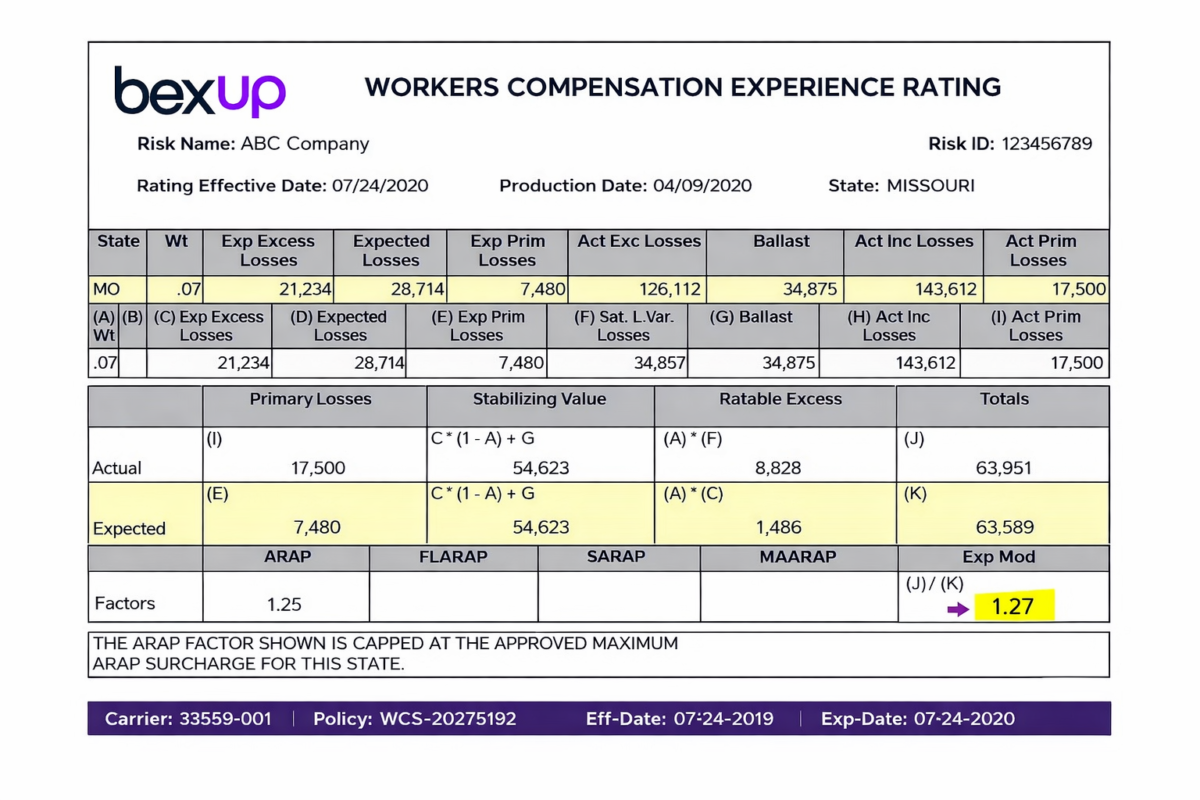
3) EMR (Experience Modification Rate)
Errors inflate incident rates, increasing the EMR and, consequently, insurance premiums, while also harming contract eligibility.
How to Prevent Issues: Best Practices Aligned with 29 CFR 1904
1. Standardize Recording Criteria
- Train teams to distinguish first aid vs. medical treatment.
- Use eligibility checklists (days away, restricted work, job transfer).
2. Define Clear Responsibilities
- Establish who records, who reviews, and who approves each form.
- Ensure coverage for vacations and absences.
3. Integrate Operational and HR Data
- Link incident records, medical notes, and return-to-work information to avoid discrepancies.
4. Conduct Periodic Reviews
- Quarterly log audits reduce last-minute corrections.
- Reconcile Form 300 ↔ Form 301 using sampling.
- 5. Control the Annual 300A Cycle
- Maintain a calendar with certification and posting deadlines.
- Keep evidence of posting (photo/date).
6. Properly Include Contractors
- Define clear criteria for when contractor incidents must be recorded, based on site control and contractual responsibilities.
7. Automate Where Appropriate
- Digital recordkeeping systems reduce manual errors, create audit trails, and facilitate reporting.
Quick Compliance Checklist
- Documented and trained recording criteria
- Consistent Forms 300, 300A, and 301
- Periodic reviews completed
- 300A certified by an executive and posted on time
- Integration with HR and return-to-work processes
- Clear management of incidents involving contractors
Conclusion
Compliance with 29 CFR 1904 requires operational discipline, clear roles, and strong document governance. Companies that treat OSHA Logs as strategic assets—rather than merely a regulatory obligation—reduce exposure to inspections, navigate audits with greater confidence, and protect their EMR, preserving both costs and reputation.
Understand that this effort can bring significant benefits to your organization when those responsible understand it, internalize a strong safety culture, and respond in accordance with the law.
If your company has questions on this topic, please contact BexUp at contact@bexup.com so our team can assist you with guidance.