
Outsourcing has become a central part of industrial, logistics, and construction operations in the United States. But alongside operational efficiency comes an increasing responsibility: ensuring that every vendor and contractor operates safely, legally, and in compliance with the country’s regulations — especially OSHA, EPA, DOT, and corporate insurance requirements.
Who this blog is for:
Safety Directors, EHS Managers, and Procurement Leaders understand that the weakness of a single contractor can put the entire operation at risk.
Below, we explore 10 major risks that emerge when third-party management is not handled with rigor and structure.
1. Serious accidents caused by contractors who do not follow OSHA standards
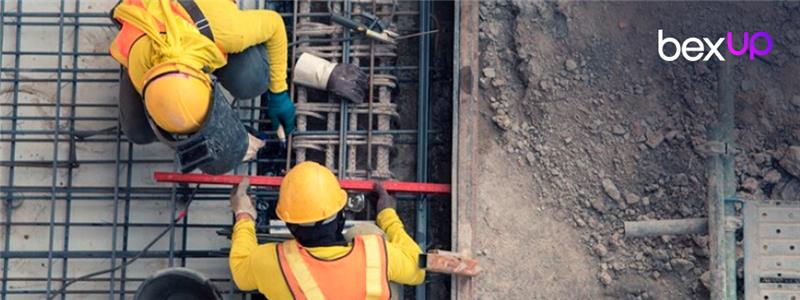
Contractors often perform the most critical activities on a job site — electrical maintenance, construction, equipment operation, work at heights, confined spaces, and more. When these workers do not follow OSHA standards, the likelihood of severe incidents rises dramatically.
Beyond the human impact, incidents involving contractors can trigger operational shutdowns, immediate investigations, expanded inspections, and citations under OSHA’s Multi-Employer Worksite Policy, which also holds the hiring company responsible for contractor selection and oversight.
2. Lack of essential insurance coverage for incident protection
Maintaining proper insurance is not just a best practice — it is a minimum requirement to operate safely in the U.S. When a vendor does not carry adequate Workers’ Compensation, Commercial General Liability, Auto Liability, or Umbrella coverage, any injury, property damage, or incident may fall directly on the hiring company.
This exposes the organization to:
- Litigation costs
- Medical expenses
- Property damage
- Direct financial losses
- Costly settlements
A missing insurance policy can turn a routine incident into a major corporate crisis.
3. Lack of continuous monitoring of Certificates of Insurance (COI)
Following the previous topic, it’s not enough to require insurance — ongoing tracking is critical. Many contractors present a valid COI during onboarding, but weeks or months later, their policy expires and no one notices. The company unknowingly allows high-risk activities to continue without valid insurance coverage.
Continuous COI tracking helps prevent:
- Financial exposure
- Unexpected lawsuits
- Contract violations
Issues with auditors and insurers
4. Weak prequalification allowing unqualified contractors onto the site
Prequalification is when the organization determines whether a vendor is actually capable of performing the work safely and competently. Without a rigorous review of safety history, performance indicators, past experience, operational structure, and technical capabilities, a company may hire contractors who are not properly prepared for critical activities.
This increases the likelihood of operational failures, rework, and incidents — and may even constitute negligent hiring, a serious concern in U.S. legal cases.
- Hiring contractors with a high EMR
The Experience Modification Rate (EMR) shows whether a contractor operates above or below the industry average regarding workplace injuries. A high EMR is not just a negative metric — it indicates a history of inefficient processes, weak safety culture, and a higher probability of recurring incidents.
Hiring vendors with a high EMR often results in:
- Increased accident risk
- Greater supervision needs
- Higher operational costs
- Delays and disruptions in critical projects
- Lack of written safety programs aligned with U.S. standards
In many states and industries, Written Safety Programs are a basic requirement. They demonstrate whether a contractor has the structure and processes needed to execute high-risk activities in a controlled manner.
Examples of essential programs include: Fall Protection, Lockout/Tagout (LOTO), Hazard Communication, Respiratory Protection, Confined Space, and Electrical Safety (NFPA 70E).
Without these documents, there is no evidence of clear procedures, standardized training, or consistent preventive protocols — exposing the hiring company to audits, fines, and regulatory penalties.
- Incomplete or expired trainings for high-risk activities
Prevention effectiveness depends directly on the contractor’s technical qualifications. In the U.S., safety trainings have structured content and specific validity periods — and they are fundamental for any safe operation.
Common required trainings include:
- OSHA 10/30
- First Aid/CPR
- Forklift Certification
- Confined Space Entry
If contractors work with expired or unverified certifications, the risks of operational errors, communication failures, and high-severity incidents increase significantly.
- Lack of visibility into incident history and OSHA Logs
OSHA Logs (300, 300A, and 301) are more than just reports — they reveal safety patterns, frequency and severity of injuries, types of incidents, and organizational risk areas.
When companies fail to collect or review these documents, they lose the ability to anticipate risks and identify vendors with dangerous trends. This affects hiring decisions, safety planning, and the credibility of the contractor management program.
- Environmental risks resulting from poor vendor practices
In operations involving chemicals, waste, machinery, or hazardous materials, unprepared contractors can violate EPA, DOT, and RCRA regulations.
Common environmental risks include:
- Improper storage of substances
- Incorrect waste disposal
- Leaks and contamination
- Failures in HazMat transportation
Beyond fines, environmental incidents generate significant reputational damage — especially in sensitive communities.
- Lack of control over invisible subcontractors (second-tier contractors)
Suppliers do not always perform work using their own employees. Often, they bring in subcontractors without notifying the hiring company. These second-tier workers may enter the site without valid insurance, proper training, or required safety documentation.
This creates a dangerous scenario: individuals that the company is not even aware of may perform high-risk activities — and any incident will still fall under the host employer’s responsibility.
Conclusion
In the United States, where safety regulations and the legal environment are highly strict, third-party management is one of the most important pillars for protecting people, assets, and company reputation. Organizations that treat this topic strategically reduce accidents, avoid fines, improve operational performance, and build stronger competitive advantage.
How BexUp Supports This Journey
BexUp helps companies structure, automate, and monitor the entire vendor and contractor management process through:
- Prequalification Questionnaires
- OSHA Logs (300, 300A, 301)
- EMR Tracking and verification
- Insurance Compliance (Workers’ Comp, CGL, Auto, Umbrella)
- Written Safety Programs
- Documentation Audits
- Continuous Monitoring of Expirations
With BexUp, your company reduces risk, improves decision-making, and gains full visibility over all third-party contractors.
👉 Want to see how it works in practice? Book a 30-minute demo here.